Breaking Through Grid Constraints Without Breaking Ground

A case study in overcoming site power limitations for fleet electrification

Overcoming Site Power Limitations

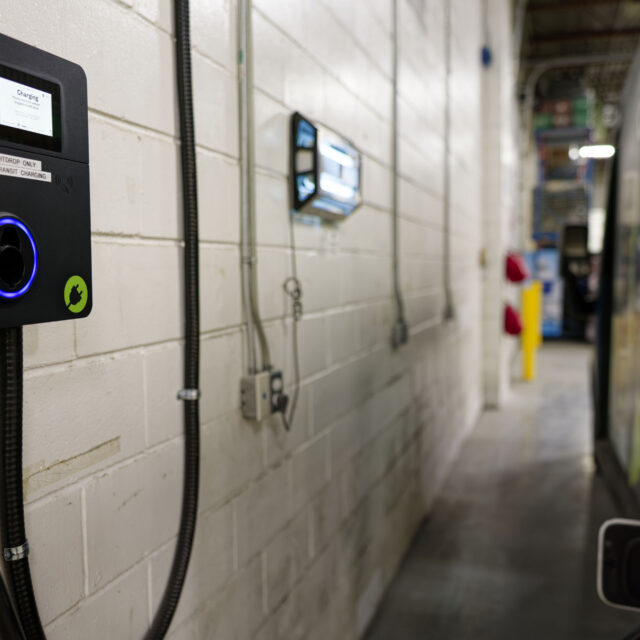
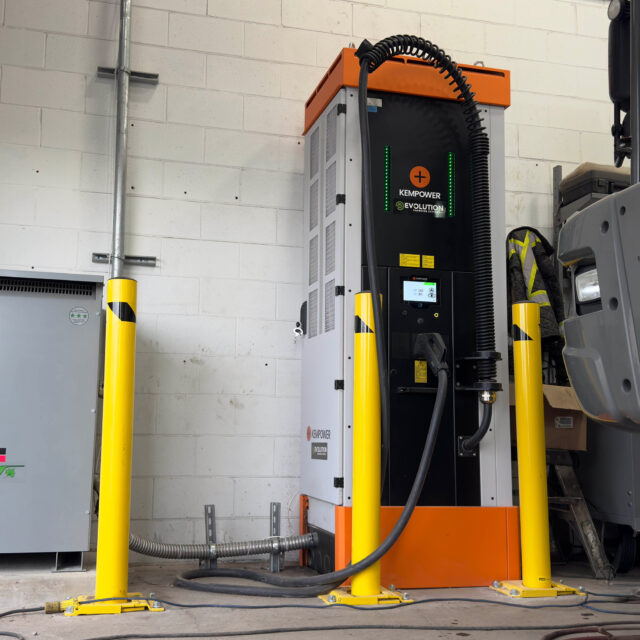
Grid capacity remains one of the most significant barriers to fleet electrification. When the Toronto Transit Commission needed to deploy 36 electric buses at their McNicoll Garage, they faced a familiar challenge: their existing 1,600 kW service couldn't support the 2,200 kW required for charging infrastructure.

Understanding the Grid Constraint Challenge

For many transit agencies, this scenario triggers a predictable chain of events:

  • Request utility service upgrade
  • Navigate complex approval processes
  • Secure capital funding (often seven figures)
  • Wait 12-18 months for implementation
  • Hope your electrification timeline survives the delay

The TTC faced exactly these hurdles: a $1.2 million upgrade cost and a 52-week lead time that would significantly delay their electrification goals.

An Alternative Approach: Energy Management as Infrastructure

Working with PowerON, the TTC implemented a different strategy. Rather than increasing the size of their grid connection, they optimized how they use their existing capacity through intelligent energy management.

The solution combined two key components:

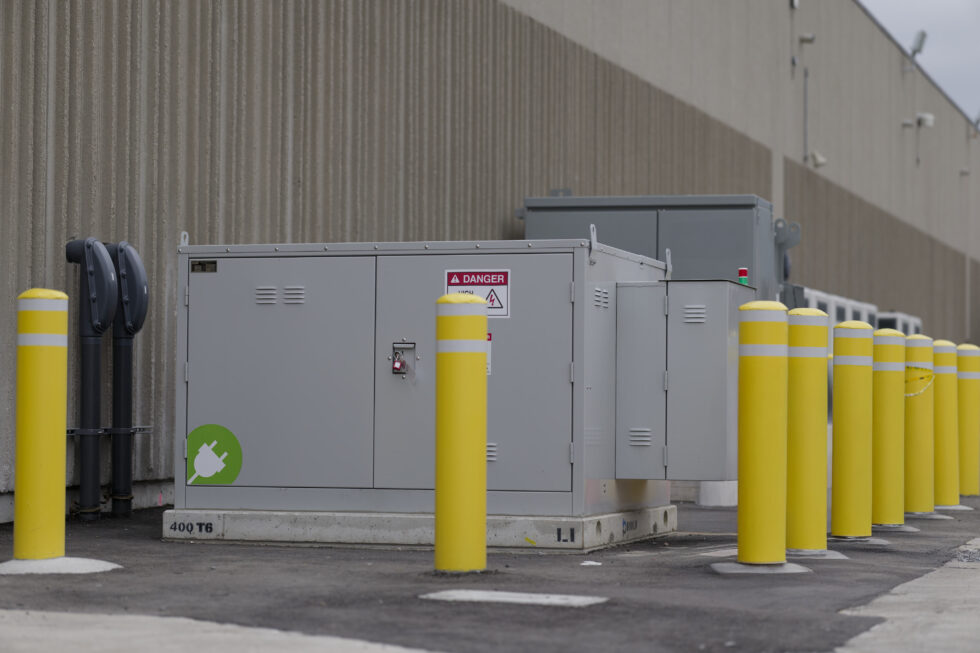
1. Battery Energy Storage System (BESS) A 1.2 MWh battery system acts as an energy reservoir, charging during low-demand periods and discharging during peak charging times. This effectively "time-shifts" energy consumption to work within existing constraints.
2. Intelligent Charge Management Advanced software orchestrates charging schedules based on:

  • Vehicle departure times and route requirements
  • Real-time grid conditions
  • Energy pricing signals
  • Battery state of charge

This integrated approach increased the depot's effective capacity from 1,600 kW to 2,500 kW – a 56% improvement without touching the utility connection.

Quantifying the Impact

The immediate benefits were substantial:

  • Utility upgrade cost avoidance: $1.2 million
  • Time savings: 14 months shorter schedule 
  • Full fleet deployment: 36 electric buses on schedule

However, the long-term operational benefits may be even more significant. The system generates approximately $310,000 in annual value through:

  • Significantly reduced electricity costs
  • Demand charge reduction
  • Revenue from offering energy services to the electricity grid

$285,000
Est. Annual Electricity Cost Savings

$25,000
Annual Energy Services Revenue

$310,000
Total Annual Impact

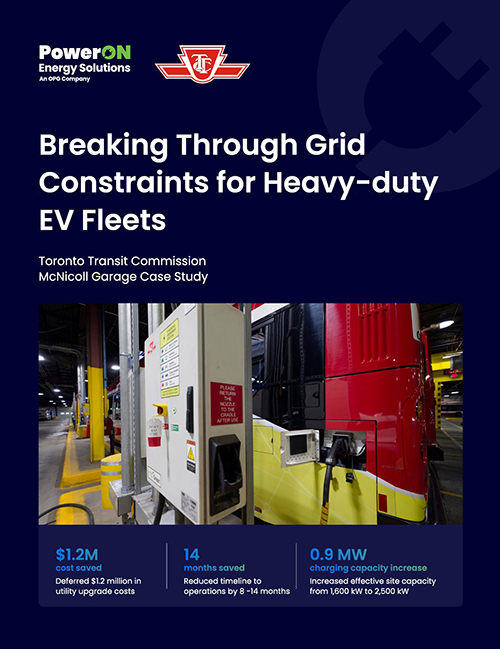
Download our case study below to learn more:
Why Choose PowerON

Continuity & Confidence

As an OPG company, with a century-long legacy, we're committed to standing beside our customers in the long run, supporting every step of the multi-year electrification transformation journey. Powering a Greener Decarbonized Fleet Future.

LET’S CONNECT

Let’s get your electric fleet ready to go.