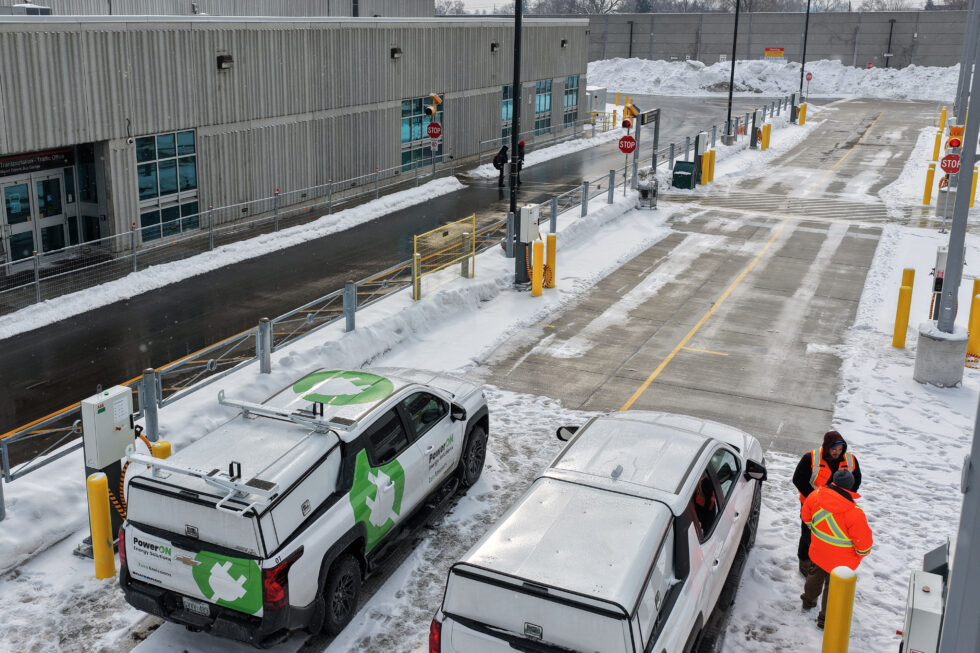
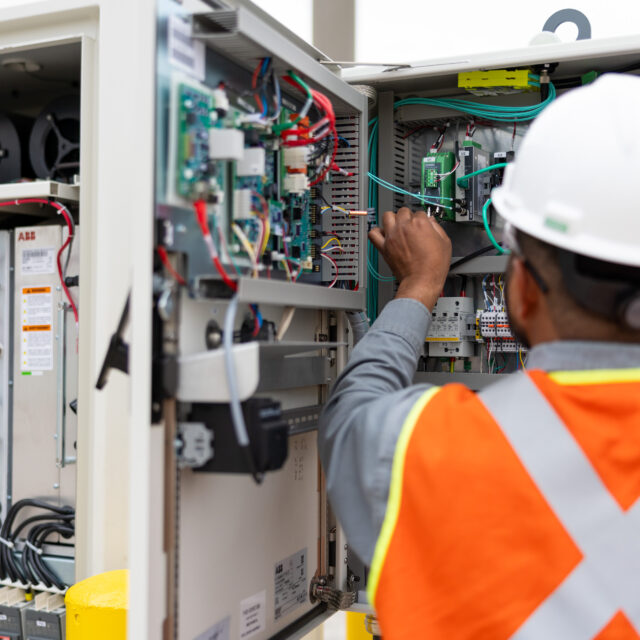
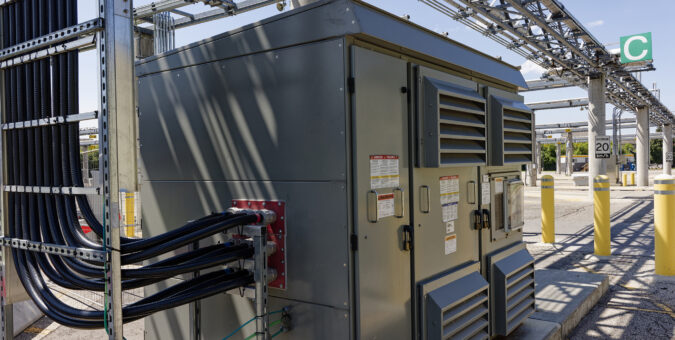
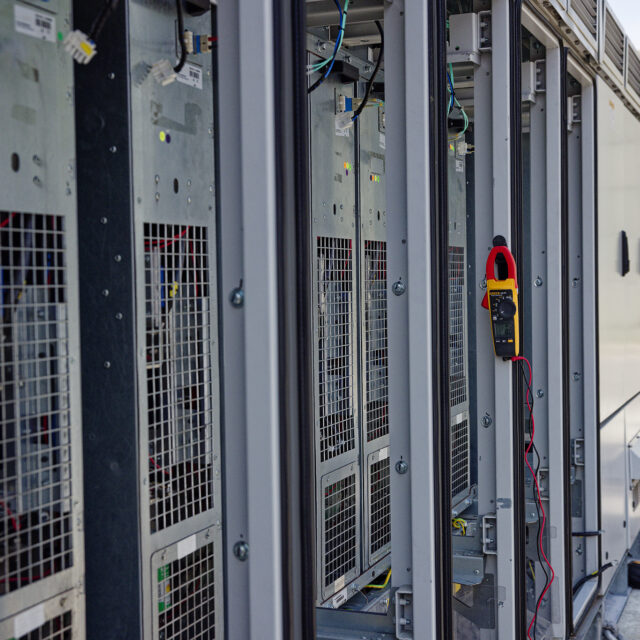
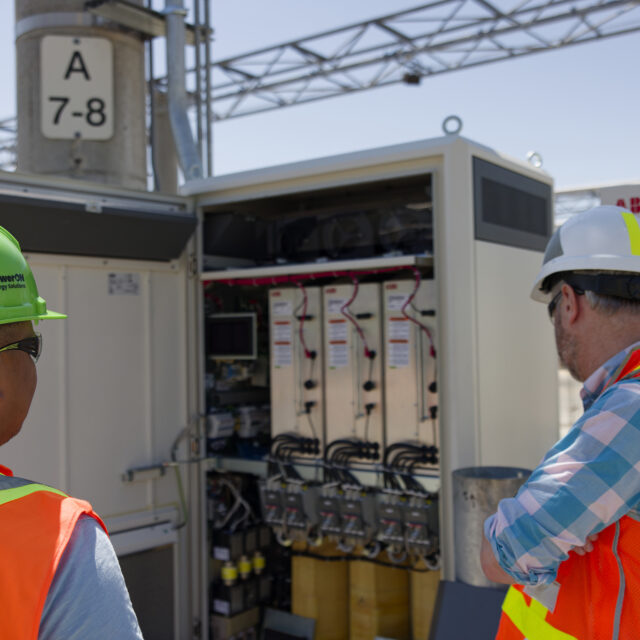
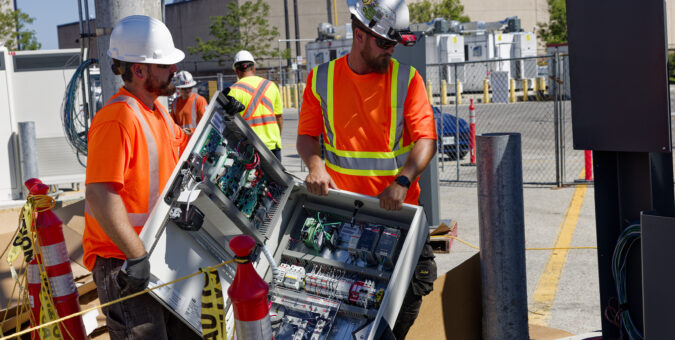
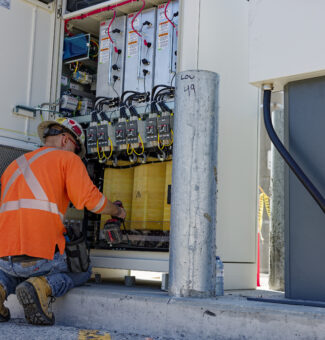
PowerON’s Energy Management, Operations & Maintenance team are the unsung heroes behind our reliability guarantees. Watch this trailer and see the team in action.
Content_label: Blog Post
Safety: The Cornerstone of Everything We Do
The global push toward large-scale electrification infrastructure—expanding charging networks, modernizing power grids, and integrating renewable energy systems—represents a monumental shift in how societies generate, distribute, and consume energy. For organizations like PowerON at the forefront of this transition, the stakes are immense. Charging stations must operate flawlessly under diverse conditions, grids must balance reliability with soaring demand, and cybersecurity protocols must defend against ever-evolving threats. In this landscape, safety is not a peripheral concern—it is the foundation upon which operational success, public trust, and competitive advantage are built.
Electrification infrastructure projects are inherently complex. High-powered DCFC charging sites, for instance, are more than physical installations; they are interconnected systems of hardware, software, and energy management tools. Grid modernization, meanwhile, requires harmonizing aging infrastructure with cutting-edge technologies, managing intermittent renewable energy inputs, and safeguarding against cyber intrusions that could disrupt entire regions. These systems do not operate in isolation: a vulnerability in one component can cascade into systemic failures. For companies delivering these solutions, prioritizing safety is not just ethical—it is strategic.
Building a Safety-First Culture
Building this culture requires deliberate leadership. Executives must champion transparency by openly discussing near-misses and incentivizing cross-functional dialogue. Regular “pre-mortem” workshops, where teams anticipate potential failures before projects launch, foster collective ownership of risk. Investing in continuous training—from cybersecurity best practices to emergency response drills—signals that safety is a priority, not an afterthought. Equally critical is dismantling hierarchical barriers: when frontline employees and junior staff are trusted to contribute insights, organizations tap into a broader spectrum of expertise.
A safety-driven ethos also redefines teamwork. Electrification infrastructure demands collaboration across historically siloed domains—utilities, technology providers, government agencies, and community stakeholders. Trust is the glue that binds these groups. When teams share data transparently and align priorities, they co-create solutions that balance innovation with reliability. Consider the challenge of deploying high-power charging in vehicle depots: engineers, environmental experts, and local planners must collaborate to address grid capacity limits, land-use regulations, and community impacts. Organizations that facilitate this synergy through psychologically safe environments not only mitigate risks but also unlock efficiencies, such as faster permitting or optimized resource allocation.
The dividends of this approach are measurable. Companies that prioritize safety achieve higher-quality outcomes because their processes are designed to expose vulnerabilities early. Comprehensive testing regimes, for instance, reduce post-deployment defects, while predictive maintenance extends infrastructure lifespan. Employee retention improves when workers feel their well-being and expertise are valued—a critical advantage in an industry facing talent shortages. Most importantly, these organizations earn public trust.
Electrify Your Success with Expert Insights
Subscribe today for the latest updates on fleet electrification and energy management strategies.
Your Electrification Efforts Are Powering More Than Vehicles
Your Electrification Efforts Are Part of Something Much Bigger
Traditionally, Canada's electricity grid was designed as a centralized system, built to transmit power from large-scale generation stations directly to end-users. However, as the movement toward electrification expands—touching everything from transportation to home heating—the grid is evolving into a more dynamic, decentralized system. This evolution presents new opportunities for businesses to actively participate in supporting the grid and monetize their electrification investments.
Unlocking Value in Your Fleet Assets
Many fleets have predictable idle periods, particularly overnight, providing significant flexibility in their charging schedules. For fleets requiring exceptional operational reliability, additional Distributed Energy Resources (DERs)—such as stationary battery storage, small-scale solar, and backup generation—offer critical support during grid stress events like heat domes or extreme weather. By strategically shifting charging times and utilizing these DERs, fleet operators can offer valuable grid services, generating revenue in the process.
Monetizing Your Electrification Assets
Extreme weather events like the heatwave we experienced recently, increase power demand dramatically, increasing the need for grid support services. Electrification assets positioned to provide these services can participate in programs that offer substantial financial incentives.
Key grid services include:
- Global Adjustment (GA) Avoidance (Class A customers): By strategically reducing peak demand during Ontario’s five coincident peaks, Class A customers can significantly lower GA charges—unlocking substantial annual cost savings and revenue opportunities through grid services.
- Demand Response: Reducing energy use or discharging stored energy during peak demand periods for compensation.
- Maintaining grid voltage stability by rapidly injecting or absorbing small amounts of power in near-real time
Virtual Power Plants (VPP): Aggregating Resources for Impact
By integrating backup generators, battery energy storage, and advanced control systems across multiple locations, fleets can collectively function as Virtual Power Plants. A VPP coordinates distributed resources using intelligent software, optimizing their performance to act like a single, adaptable power generation facility. During times of heightened demand or grid instability, VPPs rapidly dispatch power, helping maintain grid reliability and prevent blackouts.
PowerON’s Role in Your Electrification Journey
PowerON collaborates closely with fleet operators and utilities to strategically deploy electrification infrastructure and DERs. Our projects already span multiple sites equipped to provide grid support services. We ensure that fleets not only maximize operational uptime and reliability but also actively contribute to a stronger, more resilient electricity system, all while tapping into additional revenue streams.

By embracing these emerging opportunities, your electrification investments are not only modernizing your operations—they’re becoming integral to building the future energy system that Canada needs.
Electrify Your Success with Expert Insights
Subscribe today for the latest updates on fleet electrification and energy management strategies.
Site Power Upgrade for Deep Electrification
Big fleets require big power—and that means big equipment. As fleets transition to electrification, switchgear upgrades become essential to accommodate the increased electricity demands of heavy-duty electric vehicles.
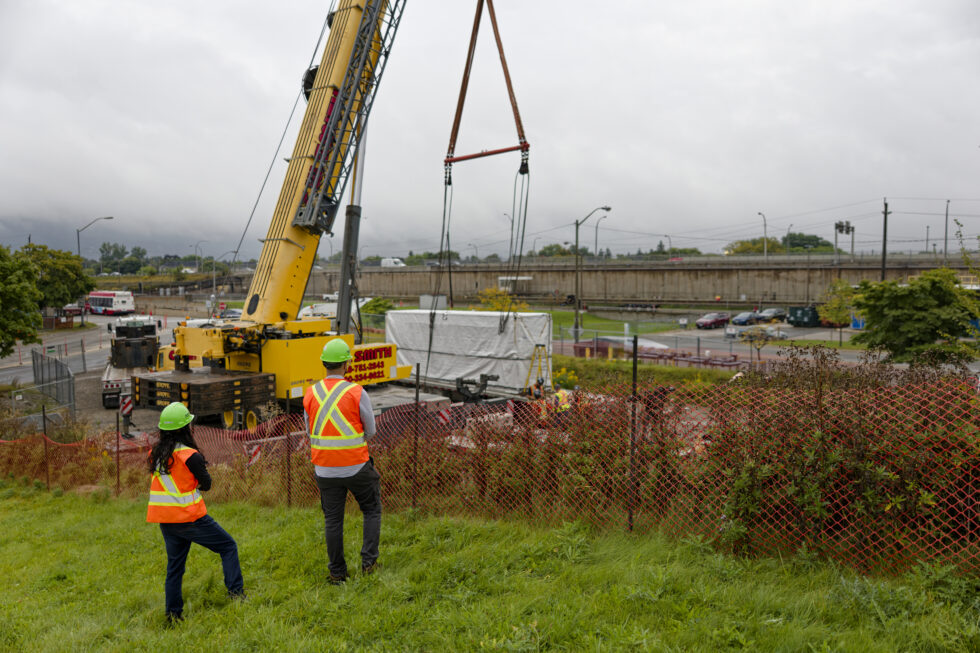
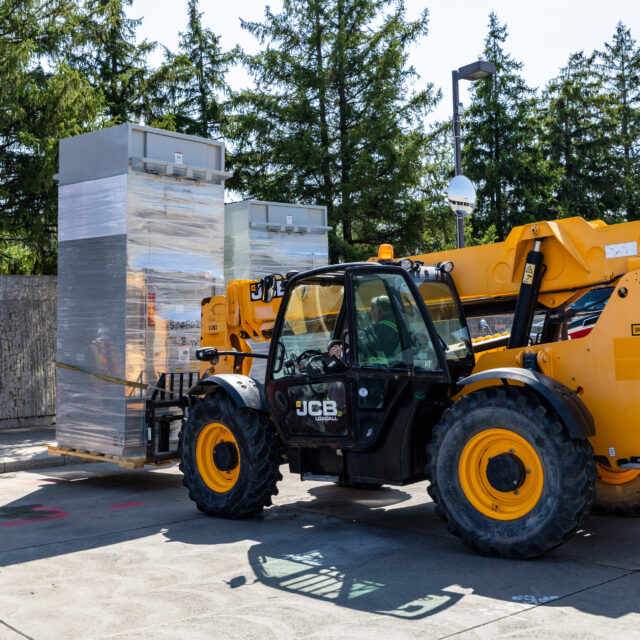
At PowerON Energy Solutions, we make complex fleet electrification simple and reliable. One of our customers recently received several critical switchgears, each standing 20 feet tall, marking a major milestone in their electrification journey. Our dedicated team is onsite, expertly managing the delivery and installation of these vital components, ensuring a seamless transition.
Switchgears are notoriously challenging to procure and come with long lead times. PowerON removes this obstacle, providing guaranteed schedule reliability thanks to our established network of pre-qualified vendors. This means our customers avoid costly delays and budget overruns, keeping their electrification projects on track.
Upgrading switchgear not only supports increased electrical loads but also prevents common operational issues such as overheating, power quality disruptions, or unexpected outages. By partnering with PowerON, customers ensure their systems safely and reliably meet growing demands, keeping fleet operations running smoothly and efficiently.
LET’S CONNECT
Let’s get your electric fleet ready to go.
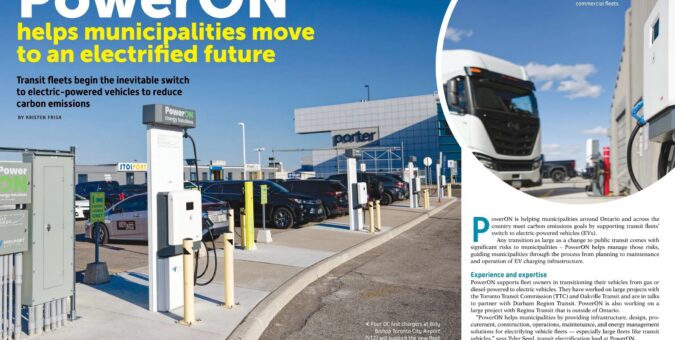
PowerON helps municipalities move to an electrified future
PowerON is helping municipalities around Ontario and across the country meet carbon emissions goals by supporting transit fleets’ switch to electric-powered vehicles (EVs).
Any transition as large as a change to public transit comes with significant risks to municipalities – PowerON helps manage those risks, guiding municipalities through the process from planning to maintenance and operation of EV charging infrastructure.
Read the full article here - https://www.mydigitalpublication.com/publication/?i=831918&p=26&view=issueViewer
Electrify Your Success with Expert Insights
Subscribe today for the latest updates on fleet electrification and energy management strategies.
In conversation with PowerON’s Keegan Tully about the regulatory, legislative and cost challenges of fleet electrification.
President and CEO of PowerON Energy Solutions Keegan Tully, in conversation with host Francis Bradley about the regulatory, legislative and cost challenges of fleet electrification, how supply chains continue to slow adoption, the scope and scale of some projects, and workforce and talent attraction and retention. They close the conversation with his book recommendation to add to the Flux Capacitor Book Club
Listen to the podcast here - https://thefluxcapacitor.ca/episodes/#episode-id-642
Electrify Your Success with Expert Insights
Subscribe today for the latest updates on fleet electrification and energy management strategies.
Improving EV Charging Asset Longevity
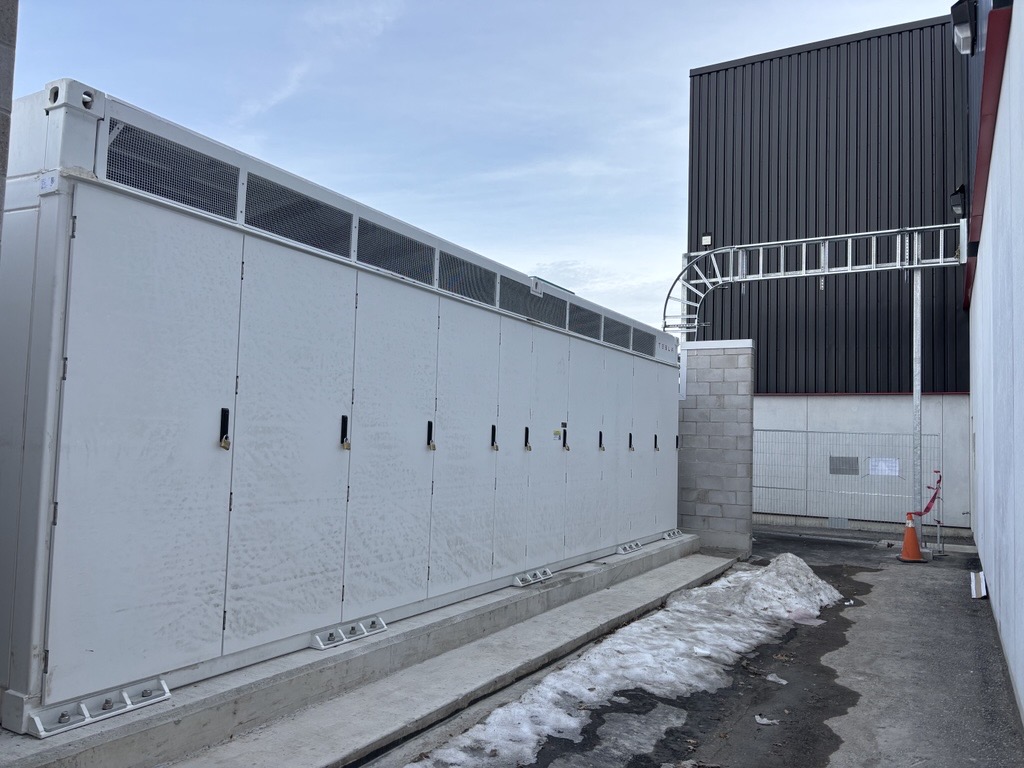
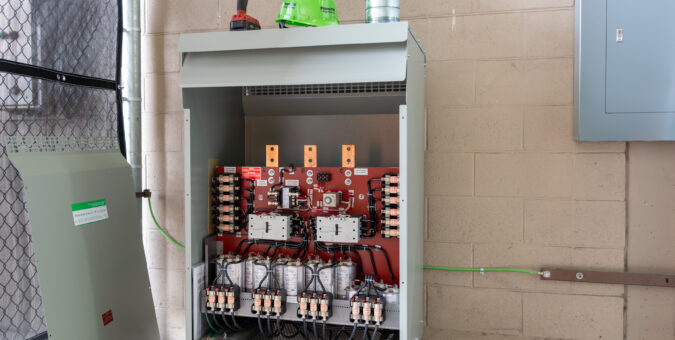
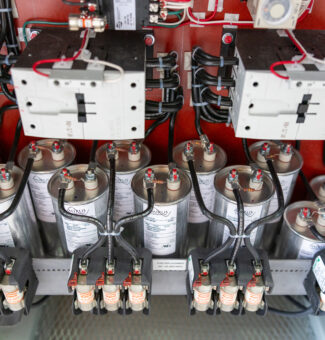
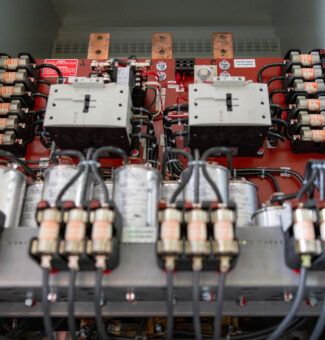
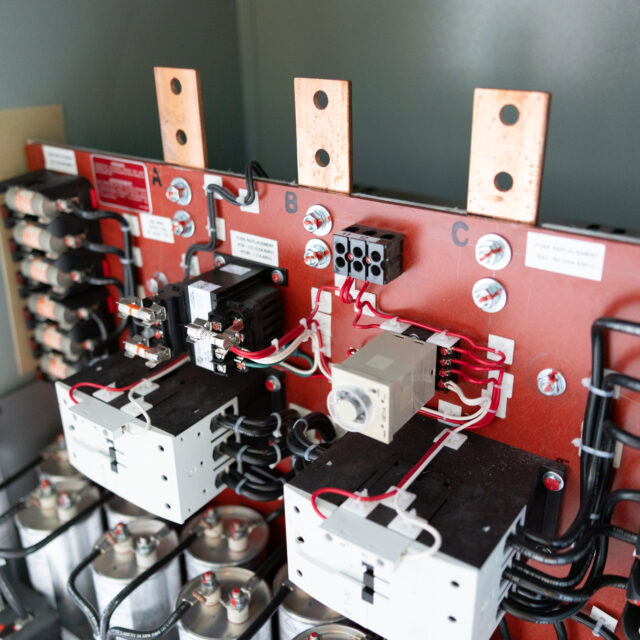
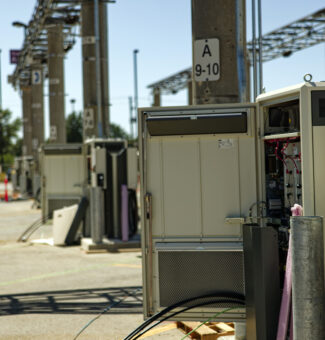
At PowerON, we take immense pride in our work, building everything for the long-term—leaving no detail overlooked. What you're seeing here is a harmonic filter installed at one of our customer's facilities. The use of harmonic filters in fast charging equipment plays a crucial role in enhancing the reliability and longevity of charging assets, saving on long-term maintenance costs and minimizing costly equipment downtime:
- Reduced thermal stress: Harmonics generate additional heat in electrical components. By filtering out harmonics, we reduce the thermal stress on the charging system. Lower operating temperatures mean longer component lifespans.
- Protection of sensitive electronics: Modern DC fast chargers contain sophisticated control systems and power electronics. These components are sensitive to power quality issues. Harmonic filters help protect these elements from damage, helping to extend their operational life.
- Minimized voltage stress: Harmonics can cause voltage spikes and distortions. By smoothing out these irregularities, harmonic filters reduce the voltage stress on insulation and semiconductors within the charging equipment, preventing premature failure.
- Improved power factor: Some harmonic filters also correct power factor. A better power factor means less reactive power flowing through the system, which reduces overall current levels. Lower currents mean less wear on conductors and connectors.
- Compliance with grid standards (within IEEE 519 limits and THESL standards): By ensuring the charging station remains compliant with utility grid standards, harmonic filters help avoid potential issues with the power company that could lead to fines or forced shutdowns for non-compliance.
- Reduced mechanical stress: Harmonics can cause mechanical vibrations in transformers and other magnetic components. Filtering these out reduces this physical stress, potentially extending the life of these parts.
- Enhanced system stability: By improving overall power quality, harmonic filters contribute to a more stable charging process. This stability can reduce stress on both the charger and the vehicle's battery management system during charging cycles.
- Prevention of nuisance tripping: Harmonics can sometimes cause false triggering of protection devices. By reducing harmonics, the likelihood of unnecessary system shutdowns is decreased, improving overall reliability and uptime.
- Mitigation of resonance issues: In some cases, harmonics can excite resonant frequencies in the electrical system. This resonance can cause severe overvoltages and equipment damage. Proper filtering helps prevent these potentially catastrophic events.
By addressing these factors, harmonic filters play a crucial role in maintaining the health of DC fast charging assets, potentially reducing maintenance needs and extending the overall operational lifespan of the equipment. This can lead to better return on investment for charging station operators and improved reliability for our customers.
LET’S CONNECT
Let’s get your electric fleet ready to go.
Another successful EV charger commissioning
Green Means Go: Powering the Future of Fleet Electrification
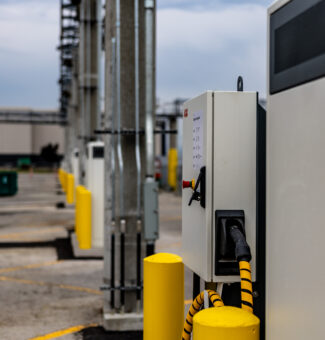
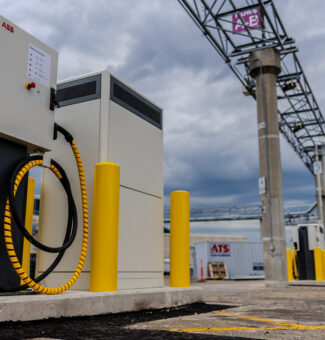
At PowerON, "green" isn't just a traffic signal—it's the successful commissioning of another fast charger, paving the way for more EVs on our roads! Bringing a DC fast charger online is no small feat. It requires comprehensive planning, extensive civil construction and electrical work, followed by meticulous safety checks and rigorous software testing. The final step involves carefully ramping up the power supply and conducting thorough load testing. This intricate process culminates in a reliable EV charging station, ready to power a new fleet of heavy-duty electric vehicles.
The impact of this work extends far beyond the charging station itself. It matters because it contributes to cleaner air and advances decarbonization initiatives. For fleets, it offers the dual benefit of lower operational costs and alignment with climate and sustainability goals.
LET’S CONNECT
Let’s get your electric fleet ready to go.
Charger Maintenance for Guaranteed Uptime
Extreme weather conditions, including unprecedented heat waves and heavy rainfall, challenged EV charging infrastructure reliability this year. For fleet operators who depend on consistent vehicle availability, any charging downtime is unacceptable.
Our high powered DCFC charging systems, coupled with our in-house maintenance team, allow PowerON to confidently guarantee exceptional uptime and reliability. This assurance is crucial for our valued fleet customers.
To maintain charger performance in even the harshest environments, we employ a proactive approach. Our specialized team conducts regular monitoring and preventive maintenance, minimizing unexpected failures. This strategy ensures our fleet customers have access to the dependable, high-speed charging necessary for uninterrupted & sustainable operations.
LET’S CONNECT
Let’s get your electric fleet ready to go.
On Time on Budget Construction
After a year of busy construction, PowerON completes another EV charging project. We're putting the finishing touches on several DC fast chargers for our fleet customers. These chargers will soon support a growing fleet of heavy-duty electric vehicles, marking a significant milestone in sustainable transportation.
The shift to zero emission vehicles (ZEVs) is accelerating. In 2023, ZEVs accounted for over 10% of new light-duty vehicle registrations in Canada. With ambitious targets on the horizon - 20% of light-duty vehicles to be ZEVs by 2026 and 35% of new medium and heavy-duty vehicle sales to be ZEVs by 2030 - the demand for reliable charging solutions is rising.
You can rely on PowerON to meet this challenge. Our success is built on effective construction scheduling, economies of scale procurement, timely resource allocation, and seamless project execution. This is why customers trust us for their fleet electrification needs.