
The global push toward large-scale electrification infrastructure—expanding charging networks, modernizing power grids, and integrating renewable energy systems—represents a monumental shift in how societies generate, distribute, and consume energy. For organizations like PowerON at the forefront of this transition, the stakes are immense. Charging stations must operate flawlessly under diverse conditions, grids must balance reliability with soaring demand, and cybersecurity protocols must defend against ever-evolving threats. In this landscape, safety is not a peripheral concern—it is the foundation upon which operational success, public trust, and competitive advantage are built.
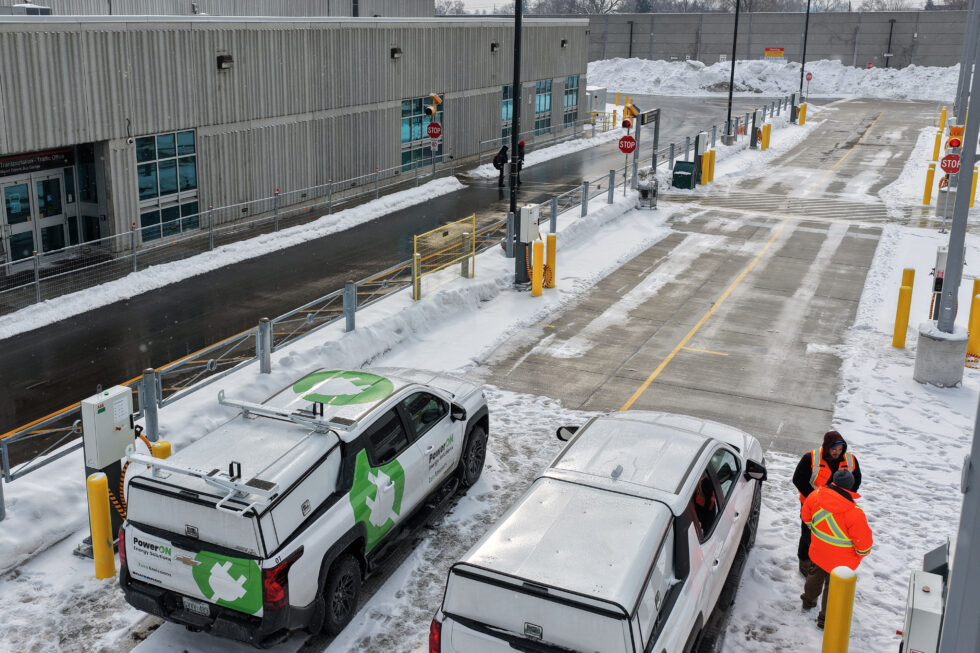
Electrification infrastructure projects are inherently complex. High-powered DCFC charging sites, for instance, are more than physical installations; they are interconnected systems of hardware, software, and energy management tools. Grid modernization, meanwhile, requires harmonizing aging infrastructure with cutting-edge technologies, managing intermittent renewable energy inputs, and safeguarding against cyber intrusions that could disrupt entire regions. These systems do not operate in isolation: a vulnerability in one component can cascade into systemic failures. For companies delivering these solutions, prioritizing safety is not just ethical—it is strategic.

What is a Safety-First Culture
A safety-first culture begins with recognizing that technical excellence and risk mitigation are inseparable. Organizations that embed these practices into their workflows minimize operational disruptions, avoid costly reputational damage, and position themselves as reliable partners in the eyes of regulators, investors, and communities.
Yet, even the most advanced technical safeguards are incomplete without addressing the human dimension. Psychological safety—the assurance that team members can voice concerns, admit mistakes, and challenge assumptions without fear of retribution—is the catalyst for proactive risk management. In multidisciplinary projects involving engineers, software developers, utility partners, and policymakers, silence is the enemy of safety. A field technician noticing irregular voltage fluctuations in a substation must feel empowered to halt operations, even under tight deadlines. A software engineer identifying a flaw in a grid’s communication protocol should be encouraged to escalate it, not dismissed. Research consistently shows that teams with high psychological safety outperform their peers because they collaborate openly, innovate boldly, and address issues before they escalate.
Building a Safety-First Culture
Building this culture requires deliberate leadership. Executives must champion transparency by openly discussing near-misses and incentivizing cross-functional dialogue. Regular “pre-mortem” workshops, where teams anticipate potential failures before projects launch, foster collective ownership of risk. Investing in continuous training—from cybersecurity best practices to emergency response drills—signals that safety is a priority, not an afterthought. Equally critical is dismantling hierarchical barriers: when frontline employees and junior staff are trusted to contribute insights, organizations tap into a broader spectrum of expertise.
A safety-driven ethos also redefines teamwork. Electrification infrastructure demands collaboration across historically siloed domains—utilities, technology providers, government agencies, and community stakeholders. Trust is the glue that binds these groups. When teams share data transparently and align priorities, they co-create solutions that balance innovation with reliability. Consider the challenge of deploying high-power charging in vehicle depots: engineers, environmental experts, and local planners must collaborate to address grid capacity limits, land-use regulations, and community impacts. Organizations that facilitate this synergy through psychologically safe environments not only mitigate risks but also unlock efficiencies, such as faster permitting or optimized resource allocation.
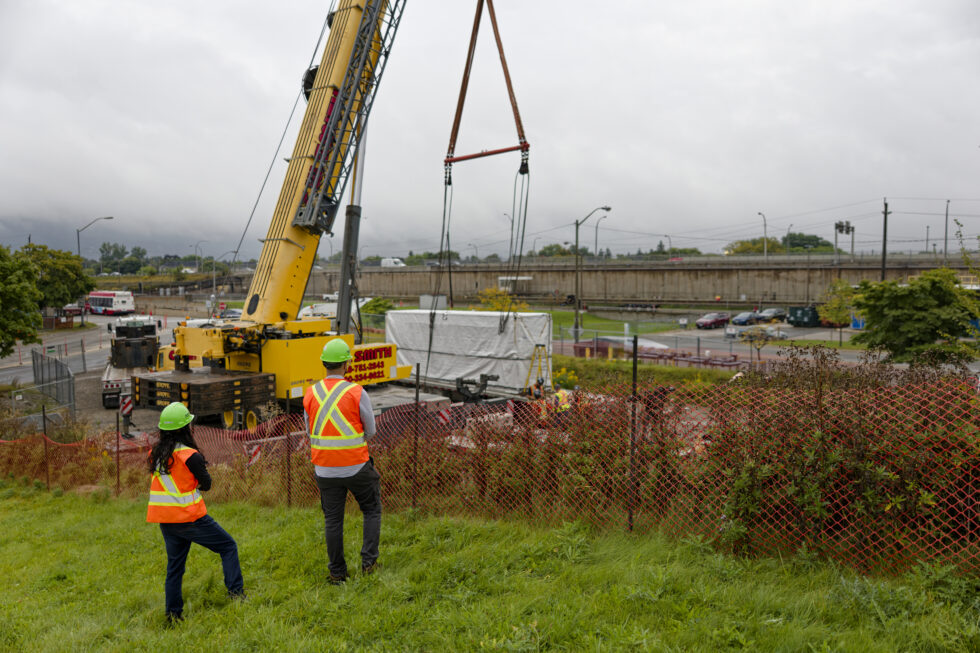
The dividends of this approach are measurable. Companies that prioritize safety achieve higher-quality outcomes because their processes are designed to expose vulnerabilities early. Comprehensive testing regimes, for instance, reduce post-deployment defects, while predictive maintenance extends infrastructure lifespan. Employee retention improves when workers feel their well-being and expertise are valued—a critical advantage in an industry facing talent shortages. Most importantly, these organizations earn public trust.
The Road Ahead
For organizations providing electrification infrastructure solutions, safety is more than a compliance metric—it is a strategic differentiator. In an era where the world’s energy future hinges on resilient systems, companies that embed safety into their cultural DNA will lead the charge. They will navigate regulatory complexities with agility, attract partners who share their commitment to excellence, and inspire confidence in a public anxious about the risks of rapid technological change.
The road ahead is fraught with challenges, but also ripe with opportunity. By fostering a culture where every team member is a guardian of safety, where collaboration triumphs over silos, and where innovation is tempered by vigilance, organizations can deliver infrastructure that powers progress without compromise. The clean energy transition demands nothing less.